MAGAZINE
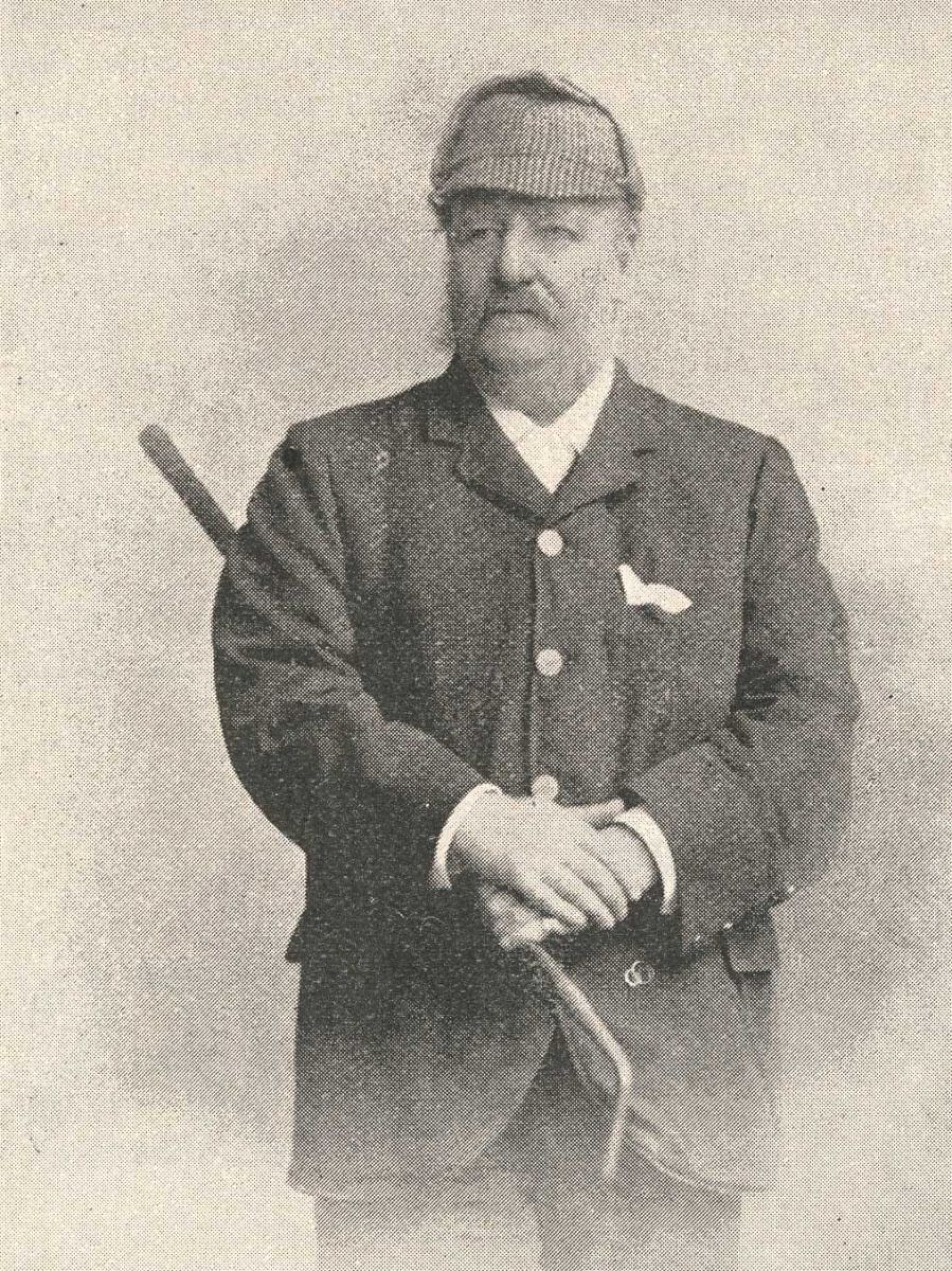
Two present at this meeting had to leave early, so discussion was held over until the next month, when the Chair, club captain James Cullen, concluded that: “Mr Potter had increased the obligation that the club was already under to him by suggesting and elaborating a scheme for holding a Golf Tournament at the next Spring meeting.” The Potter plan, “with a few alterations”, was adopted.
Doubts surfaced, principally over the scale of Royal Liverpool’s spend on the project, along with eligibility - just who, from all the amateur golfers out there, would be allowed to compete? To make headway, a special club meeting was called. On January 28 1885, it was held at the Law Association rooms in Liverpool - sans Potter, who was under the weather - where James Cullen elaborated: “Mr Potter’s idea was a tournament open to all ‘amateur golfers’ to be played by holes; one round of the links to constitute a match, all ties to be played off the same day as far as possible.”
Past Captain of 1873 and 74, John Dun, was then invited to move a resolution that: “In furtherance of the game of golf it has been decided to hold a tournament at Hoylake during the Spring Meeting week of April next, open to all amateur players and members of invited clubs, north and south of the Tweed for a prize of some value which shall be won outright by the best player - and who will thus constitute himself the Champion Amateur golfer of the year.”
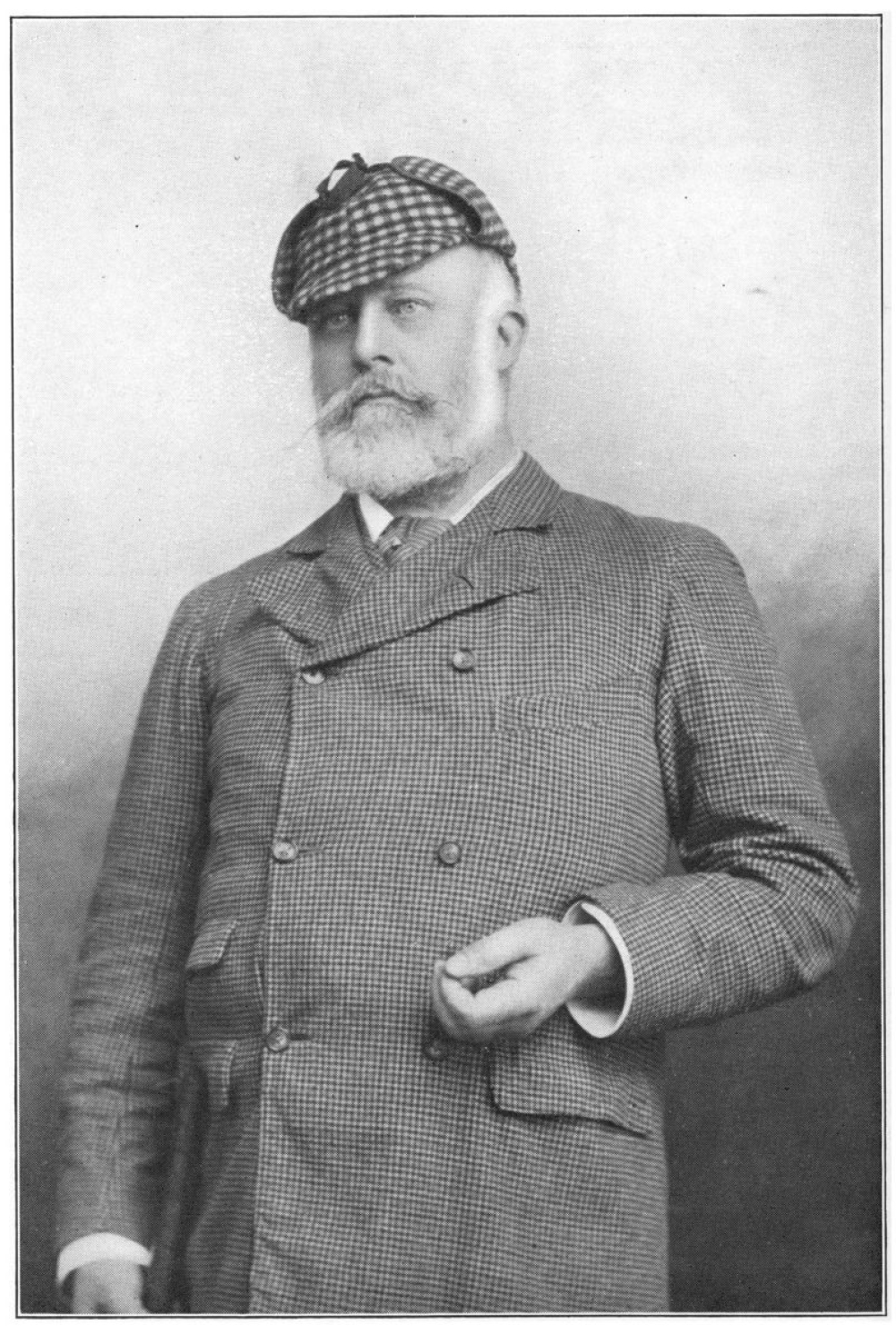
It was not unusual in golf’s formative decades for class to rear its head, and so it did now. Dun observed that not everyone backed the project, and that the notion of “throwing the competition open to all amateurs would be a mistake. The object of the tournament was to try and benefit the Game of Golf, and do some good to the club. But if it was to be thrown open to the fisherman and weavers from all the villages on the coast of Scotland, the result would be that one of this class might win a very handsome prize probably amounting to £50 or £100, and he could not see how this would benefit the game of golf or our own club.”
It was not unusual in golf’s formative decades for class to rear its head
For my part - and I declare my hand as a Blackburnian providing this bit of context - it is worth noting that right then Association Football, a sport long dominated by the public schools and Gentlemen as opposed to Players, was undergoing a seismic and controversial upheaval which had started in 1883 when Blackburn Olympic won the F.A. Cup. Olympic wasn’t the best team in the land, not even in Blackburn where Rovers held sway. But at the Kennington Oval, Olympic, skippered by Albert Warburton, took down the Old Etonians captained by Lord Alfred Kinnaird. At full time the score was 1-1, but extra time of 15 minutes each way was played and Olympic slotted home the winner.
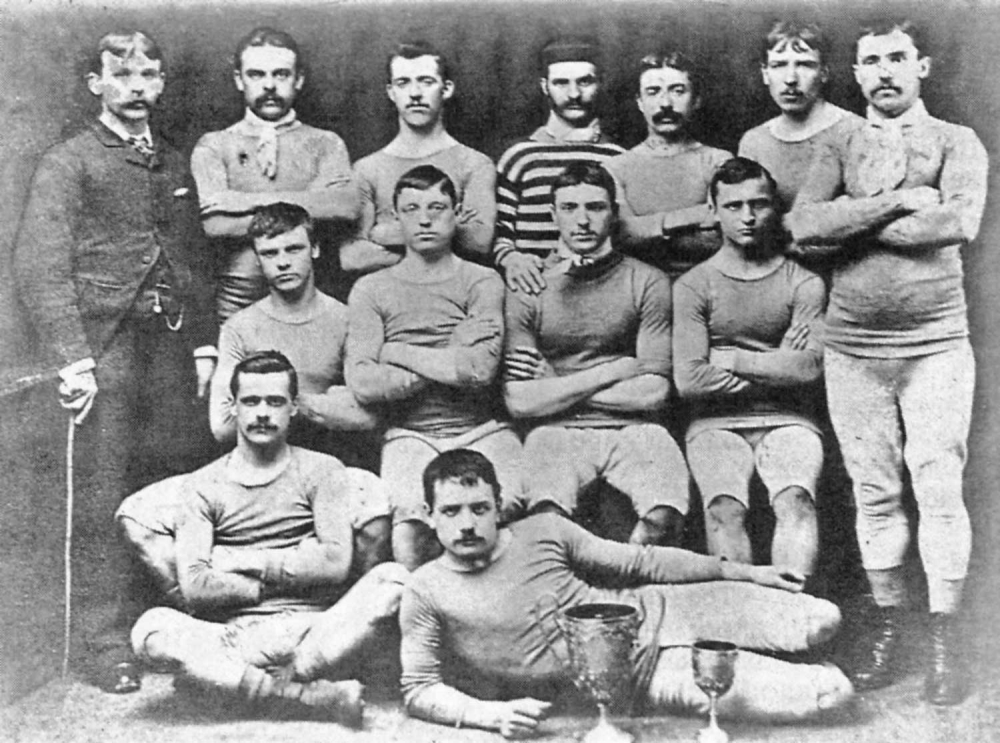
There was some hissing in the Oval crowd when the trophy was handed to Warburton, and in the following days southern newspapers accused Olympic of cheating on two main counts: one, the owner of a local iron foundry had covered their wages when the squad, mostly mill workers, went to a week’s training camp on the beach at Blackpool, thus making them professionals; and, what was more, two, the whole concept of training was alien to the public school game and regarded as bad form.
Still, there was no going back - a working class team had won the Cup which, the following year, 1884, would be raised by Blackburn Rovers, and by them again in 85 and 86. Public school dominance rapidly faded, partly because it favoured a six up front dribbling style, and not the emerging ‘combination game’ developed in Scotland, otherwise known as ‘passing the ball’. Football had begun its journey to being a sport for all of public and global appeal. Golf would have to wait longer, much longer.
Rugby Football was also split in 1885, again by the clash between the amateur ideal and professionalism - and north and south for that matter. The dispute over ‘broken time’ payments allowing workers in Lancashire and Yorkshire to take time off to play rugby triggered the Rugby Football Union’s official declaration of 1886 that the game was an amateur sport. Match fees were banned and rule breaking clubs threatened with suspension. The dispute rumbled on and ultimately led to the schism of 1895 and the creation of Rugby League.
The entry fee for the Hoylake 1885 amateur tournament was set at 1 guinea
Cricket was stumped by division for even longer - the distinction between Gentlemen and Players wasn’t scrapped until 1963.
Back to golf. The entry fee for the Hoylake 1885 amateur tournament was set at 1 guinea - that’s £1 and 1 shilling - which, according to the Bank of England, represents about £180 today, and a Victorian guinea would have had significantly more purchasing power back then. This probably deterred a few of those pesky Scottish artisans. Then the proposed tournament committee was named, including Royal Liverpool’s less than all inclusive Dun, Thomas Potter, James Cullen, and Westward Ho!’s very fine golfer, Horace Hutchinson.
In 1885 the distinction between amateur and professional golfers was deeply unsatisfactory. There were no clear definitions, and as entries began to arrive at Hoylake the eligibility of certain players became the focus of intense debate. For example, Douglas Rolland was turned away on the grounds that he had tied second at The Open of 1884 and accepted a cash prize. He also happened to be a stonemason from Elie not far from St Andrews.
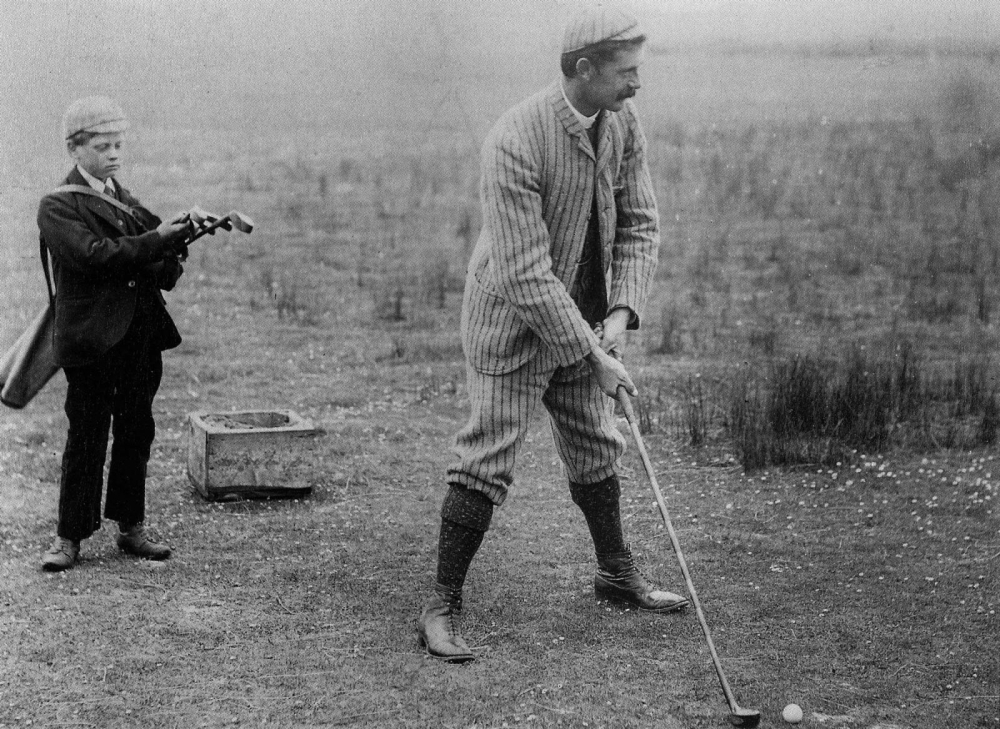
The rejection of Rolland raised a difficult local issue. John Ball Jnr, Hoylake hero and one of the game’s finest young players, had also accepted a money prize - £1 - after tying fourth in the 1878 Prestwick Open, aged just 16. In a policy shift steeped in self-serving vagueness of which the contemporary White House would be proud, it was ruled that players must be excluded if they “had accepted a money prize in a competition open to all comers; at the same time, if it is many years since the player has done that, there seems no reason why he should not, by the lapse of time, be held to have regained his status as an amateur.” John Ball would be in the field.
Douglas Rolland may well have chiselled stone with alarming force in the wake of this decision, but at least he could comfort himself by reflecting on the show of solidarity by Horace Hutchinson. He resigned from the tournament committee in protest.
Macfie, on the other hand, putted like a demon
On Monday April 20 1885, with four entrants having failed to turn up, 18 matches were played on the fledgeling Hoylake links. Come Tuesday evening just three players were left: John Ball Jnr, Allan Macfie and Horace Hutchinson. Though registered in the tournament as an R&A member, Liverpool-born Macfie was very much a Hoylake golfer, so the home fans had a good chance of one of theirs claiming the new title. Especially when the draw gave Macfie a bye into the final, leaving the other two to battle for the right to take him on.
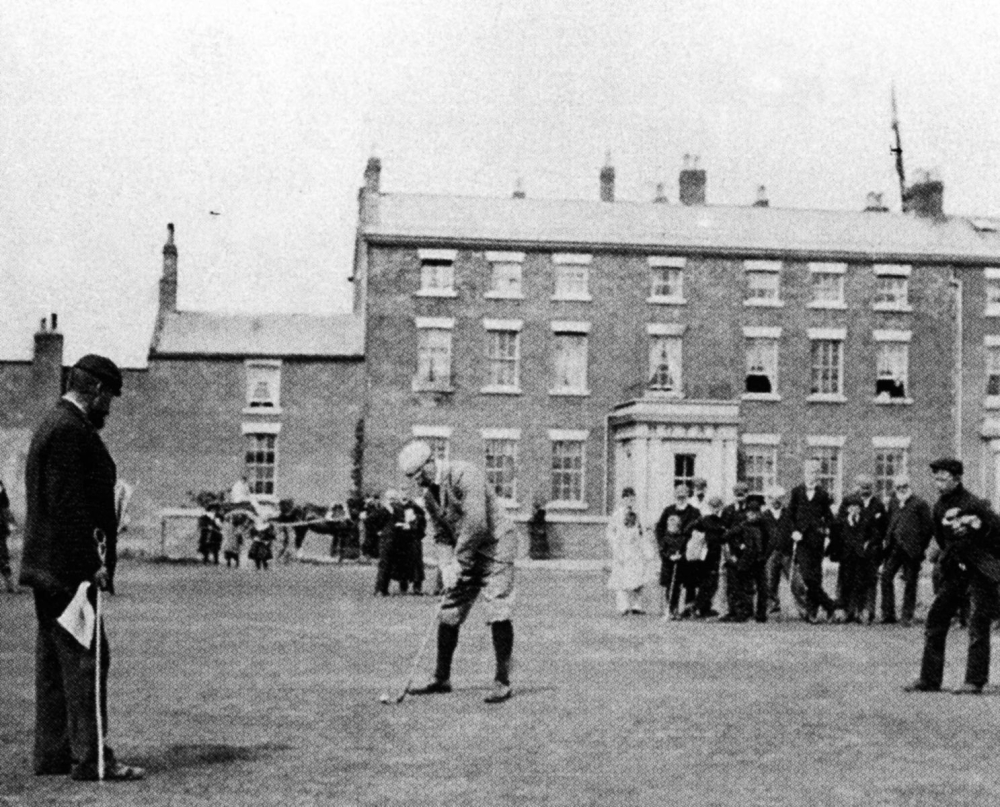
The championship skipped a day so Hoylake members could play their Spring medal competition, easily won by John Ball Jnr with a course record 77. Playing great golf he was no doubt favourite for the single semi-final against Hutchinson, but the Ball long hitting game was matched by the great recovery work of his opponent, who managed to be within touching distance at two down after ten holes. Hutchinson - perhaps inspired by his disagreement over the Douglas Rolland issue - played the next four in 4-3-4-3 and won all of them, going two up, and on to secure victory in front of the Royal Hotel, in those days the Hoylake clubhouse.
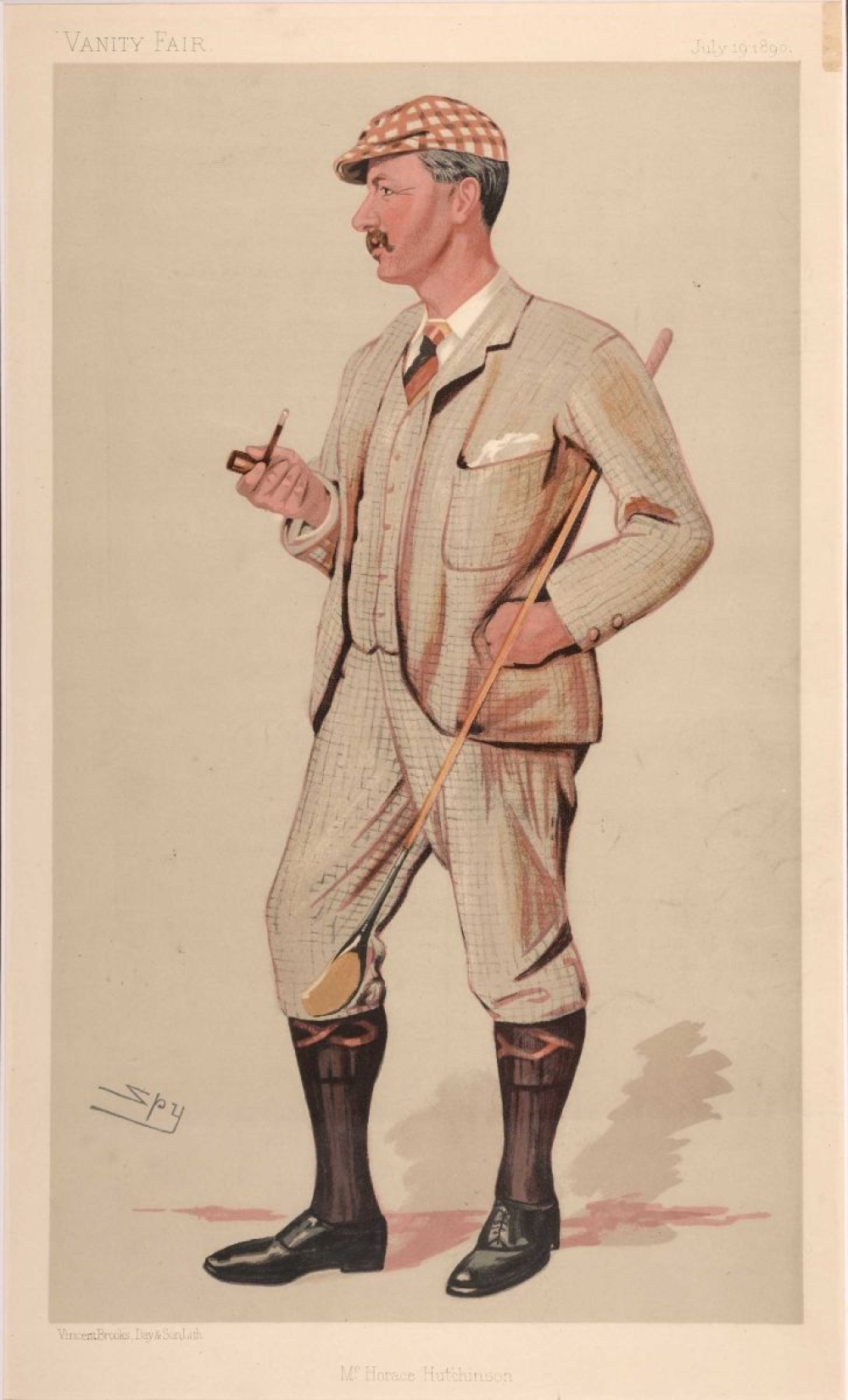
Come the final after lunch, a well rested Macfie played steady golf while a weary Hutchinson struggled and lost the first four holes, and subsequently the match by 7 & 6. Nevertheless, he took defeat with more or less good grace. In his 1919 book Fifty Years of Golf, he wrote: “The final was decided on a single round to be played in the afternoon. I had been wound up to concert pitch by that morning round with Johnny and could not play a bit in the afternoon. Macfie, on the other hand, putted like a demon and never made a mistake, so very likely the result would have been just the same if I too had been idle all the morning.”
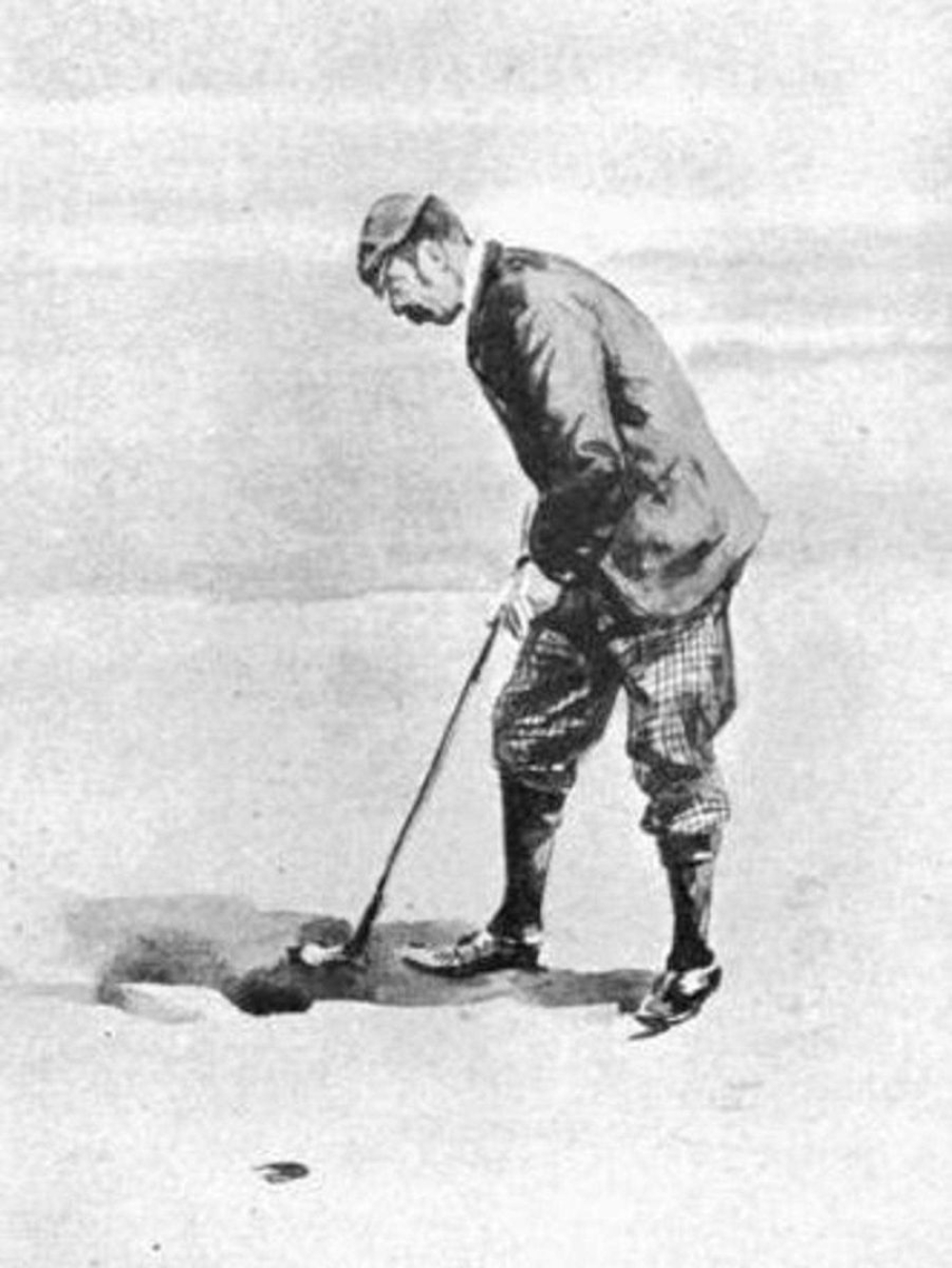
Though the tournament was regarded as a success, and Royal Liverpool had achieved its aim of demonstrating the viability of an annual amateur championship, progress towards a second was slow. It was May 1886 before The R&A invited clubs to send representatives to discuss the way forward, but from then on the pace of play quickened and it was agreed to stage the event at St Andrews in September. To avoid as much controversy as possible, amateur status was given a written definition, which allowed money winning amateurs the chance to play so long as they had pocketed the cash more than five years before the championship.
Horace Hutchinson reasserted himself as one of the finest players of his era, beating Henry Lamb by 7 & 6 in the final. For 37 years Hutchinson was regarded as the first Amateur Champion, but in 1922 The R&A Championship Committee decided that “the name of A. F. Macfie should be recorded in the list of winners of The Amateur Championship as the tournament won by him in 1885 was in everything but name a championship.” Retrospectively this gave Royal Liverpool two notable firsts in the history of the game.
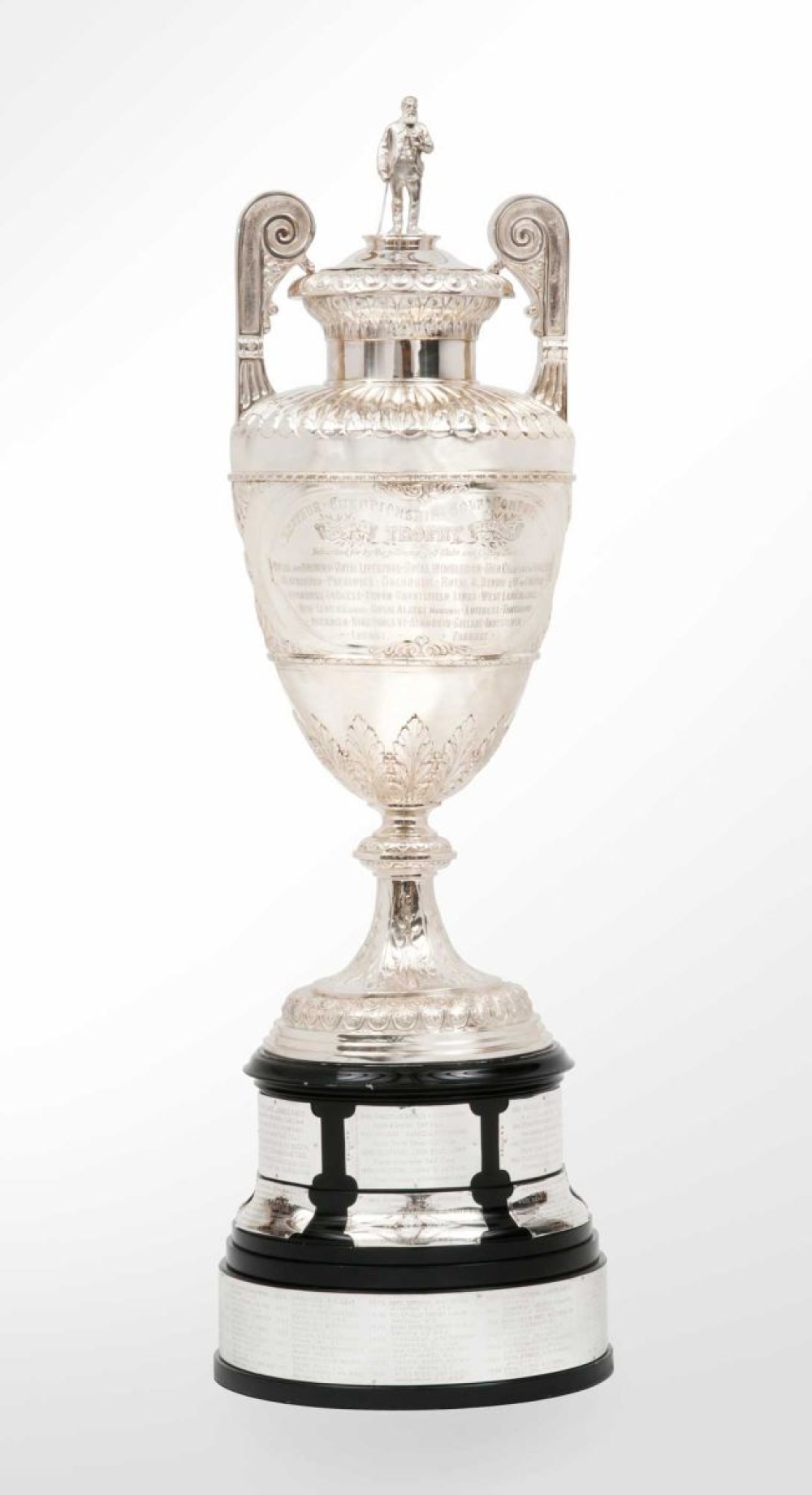
In 1886 there was now a fine silver trophy for the champion. 23 clubs had contributed a total of £159 12s to fund its creation, including 15 guineas from Hoylake.
Many congratulations in advance to the amateur golfer who raises it in June, 140 years since it was first awarded.