MAGAZINE
I feel that way about my working life at The Open.
I started at St Andrews all the way back in 1984 and finished at the same venue in 2022, covering every edition in between as golf correspondent for publications as varied as the Birmingham Post, the Sunday Telegraph and the Daily Mail.
Each year, a human drama played out that touched all the bases, and you couldn’t help but feel totally involved.
Working for a regional paper like the Birmingham Post, I was rooting for my local constituents, and so when Shropshire’s Sandy Lyle - you didn’t really think he was Scottish, did you? - won at Royal St George’s in 1985, I was still in the press tent four hours later, writing every dot and comma I could find for the front section as well as the back.
It was a different ball game for a Sunday paper. Here, you had to find a fresh angle for the following week’s edition. In 1999, that wasn’t too hard.
On Monday morning, the daily papers had been full of Paul Lawrie’s epic comeback from ten shots adrift to become the first Scot to win since that bloke some of us thought of as Salopian.
But there was another tale that deserved at least equal billing. I’d walked every yard with the luckless Jean van de Velde on that fateful final day at Carnoustie and watched him fold before my very eyes.
Each year, a human drama played out
What would he be like when he returned to his home in Bordeaux following his stark collapse? I suggested to my sports editor that I travel to France to find out.
So it was that I turned up on the doorstep of a grand chateau to be greeted by a man far more cheerful than I expected. That was Jean, a man who would always keep that Open heartbreak in perspective. ‘Will you stay for something to eat and drink?’ he said, following our long chinwag. ‘Some friends are coming around for a barbecue.’
One of the things I loved about covering golf was the grace in which the great players dealt with crushing disappointment. Take Tom Watson at Turnberry in 2009.
A confession here: Watson was my hero growing up. I hadn’t covered any of his five Open victories. I’d been among a small cluster of reporters at Turnberry in 1994 when he stood behind the 18th green and bemoaned his putting. I couldn’t take my eyes off his hands. He couldn’t stop them from shaking.
Now here he was, fully 15 years later, on the brink of completing the greatest script in Open history. A victory at the age of 59! At the venue where he’d beaten Jack Nicklaus in a toe-to-toe slugfest for the ages in 1977!
I was standing behind the 18th green when he played the most perfect-looking approach to surely seal a one shot triumph. The lucky souls in the grandstands rose as one as the ball rolled on to the green towards the flag.
And kept on rolling...and rolling....until it inexplicably fell off the back of the geen. It was so unfair. And we all knew what would happen next.
When he’d duly failed to get up and down and lost the subsequent play-off to Stewart Cink, the atmosphere in the media tent was positively funereal. We all felt like we’d been cheated out of writing the sports story of a lifetime. How on earth would Watson feel?
His reaction was priceless. Looking round the room, he smiled ruefully and said: ‘C’mon guys, it’s golf. No-one died.’
They say no-one remembers who finished second but who could forget Van de Velde and Watson in 1999 and 2009?
Another joy was witnessing the return of two great courses to The Open rota
Mind you, the maxim holds true most of the time. It was certainly true at that memorable first Open for me in 1984.
A spot in front of The R&A clubhouse on a blessed, sunlit afternoon as the victor Seve Ballesteros did his matador’s salute to all four corners of the Home of Golf. This will do for me, I thought.
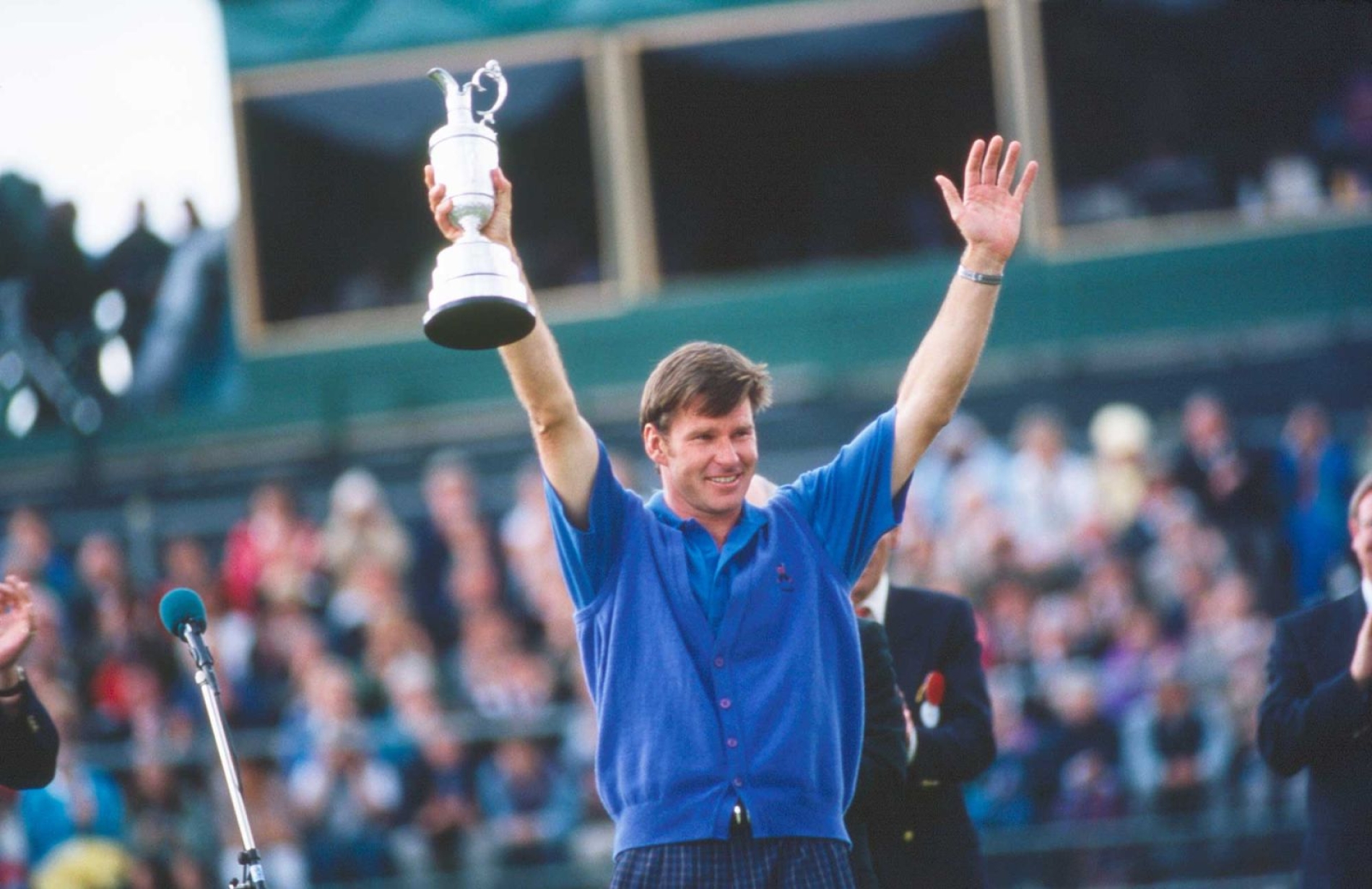
As it turned out, it proved the start of a new era for European golf. There was Lyle the following year. There were Sir Nick Faldo’s three Open victories. And then came Tiger Woods.
Ahead of his first appearance as a professional in 1997, I was dispatched to Ireland where the new Masters champion was playing some warm-up rounds in the company of Payne Stewart and Mark O’Meara, among others.
I distinctly recall one moment at glorious Waterville, where he came over the brow of a hill looking for all the world like a pied piper, with a gallery of awe-struck spectators following behind. Tiger had been a bit nervous at first, with no gallery ropes and no stewards shepherding the crowd. ‘You don’t have to worry about the Irish,’ reassured the much-missed Stewart. ‘They just want to watch you play.’ And so they did.
By the time Tiger got to St Andrews in 2000, he was so omnipotent Sir Michael Bonallack, former chief executive of The R&A, drily thought there ought to be a steward’s enquiry if he didn’t win. There was no enquiry.
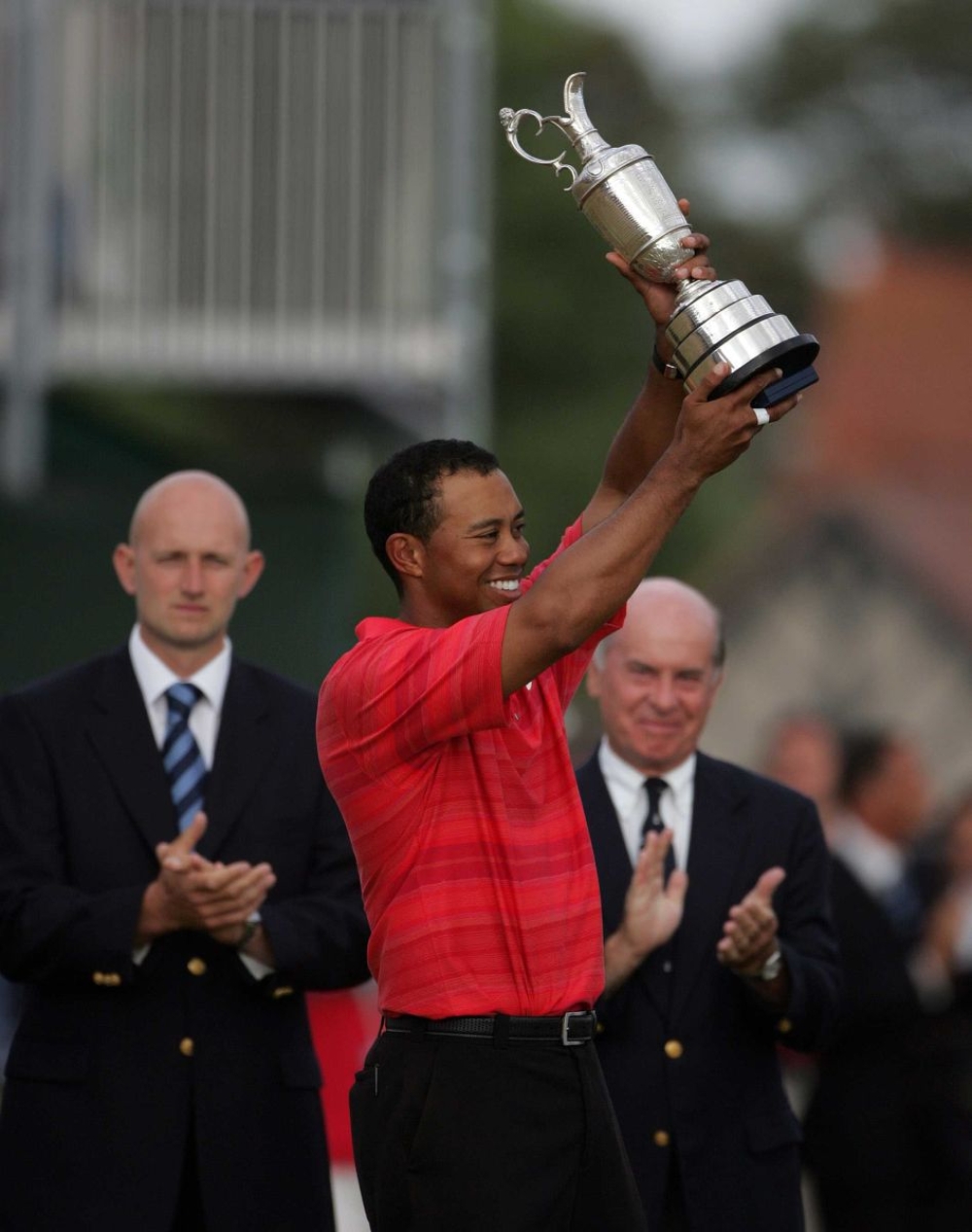
Another joy of covering this period was witnessing the return of two great courses to The Open rota - and didn’t they get the winners they deserved!
It was Tiger again, of course, at Royal Liverpool in 2006 with a display of course management that was as close as you can get to perfection.
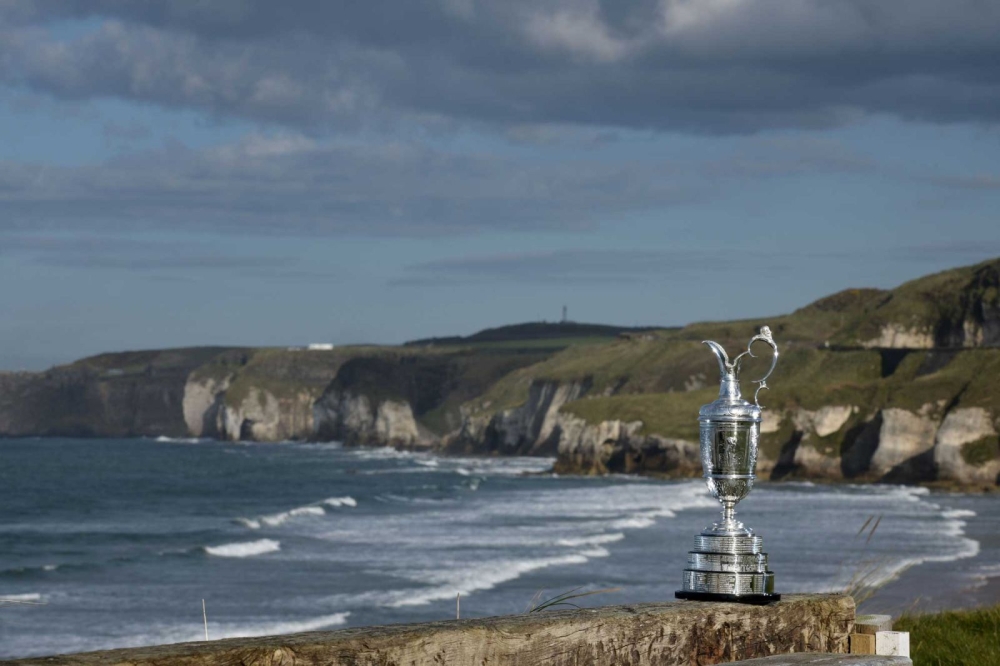
In 2019, it was the turn of Royal Portrush, and how the locals celebrated as Shane Lowry, one of their own, enjoyed the best week of his career. My abiding memory was being caught out on the far side of the resplendent links when one or two vicious showers made their entrance. I looked over at the galleries, who really were laughing in the rain. They didn’t care. They were at The Open.
Working-wise, it all ended for me three years later in gratifyingly nicer weather in my favourite town in the United Kingdom. I was staying that week in the university halls and remember setting out on Saturday morning, before the third round got properly underway, for a long walk on the golden beach almost as distinctive as the Old Course itself.
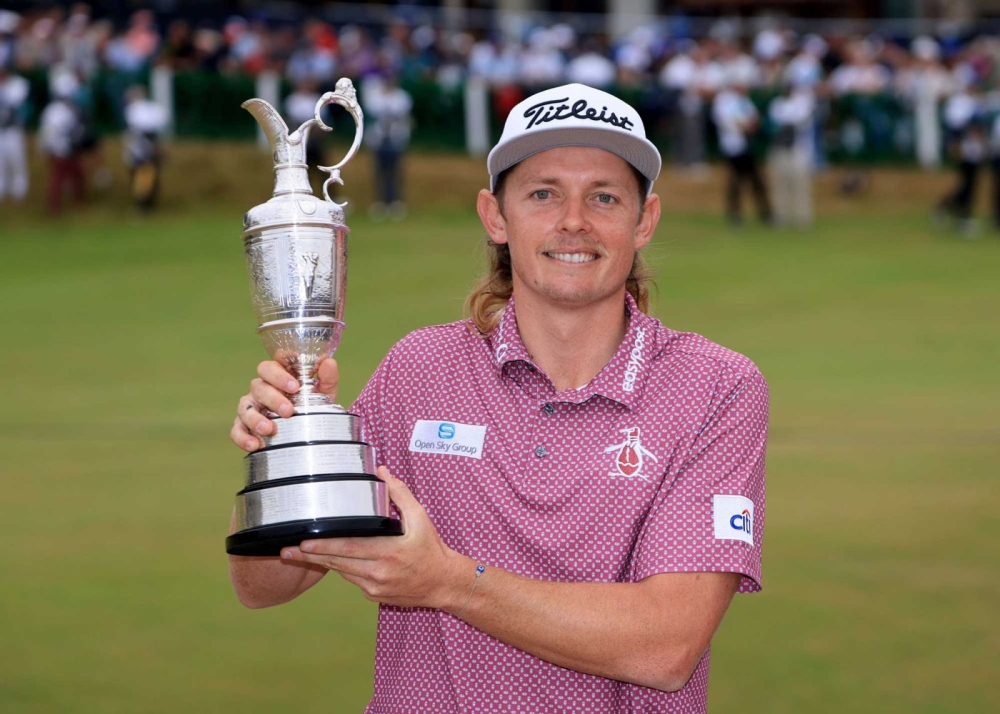
Two days later, the 150th Open would end up being won by the Australian Cam Smith, who promptly joined LIV, a rival circuit that has changed the face of the game. When I think back now, I’m glad that my time at The Open came and went when it did.