
MAGAZINE
.jpg_c3a51db2993e8283a8488b7ad32bd895.jpg)
At Royal Liverpool we share the same architect and, in many ways, the same philosophy. Subtle refinement, quiet evolution and a respect for tradition underpin every decision. During my four years as Links Manager we have made considered adjustments to bunker positions, green perimeters and fairway widths. These are not wholesale changes but thoughtful enhancements that keep the course challenging and relevant - making the course fairer for members whilst ensuring alterations work for the world’s best and those watching.
Before my tenure came the most dramatic transformation in recent club history. The creation of the new 15th hole, Little Eye. It began as a striking departure from the surrounding landscape. Over the past four years it has settled beautifully, helped by the introduction of wider open sand areas that allow this distinctive par 3 to blend naturally into its environment. What was once the boldest change on the course has now become one of the most admired holes in world golf.
My ultimate goal is simple: to leave this golf course fully dry all year round.
It is not only courses and clubs that change. The professional game has undergone significant shifts in recent years. The emergence of LIV Golf, the reshaping of global tours and the steady evolution of golf culture have altered how the sport looks and feels.
Even player presentation has transformed. Competitors now commonly wear shorts or hoodies in major events, something once unimaginable. Equipment continues to evolve as well, with mallet and zero torque putters becoming increasingly popular. Every year new drivers are released with claims of gaining fourteen extra yards. If that were true, I would be one hundred and forty yards longer than I was a decade ago.
Another major shift is coming soon with the planned rollback of the golf ball. When that happens, I suspect I will lose all those imaginary yards in an instant.
Course architecture is often viewed as timeless, but every knowledgeable architect understands that landscape and golf must move together. At Royal Liverpool, architectural evolution respects what exists while preparing for what is to come. Little Eye is a perfect example. What began as a bold new feature has been refined year by year through sand exposure and listening to player feedback. The result? A softening of the hole by raising tees and turfing through the green, making it far more playable. These small details have allowed the hole to settle naturally into the links.
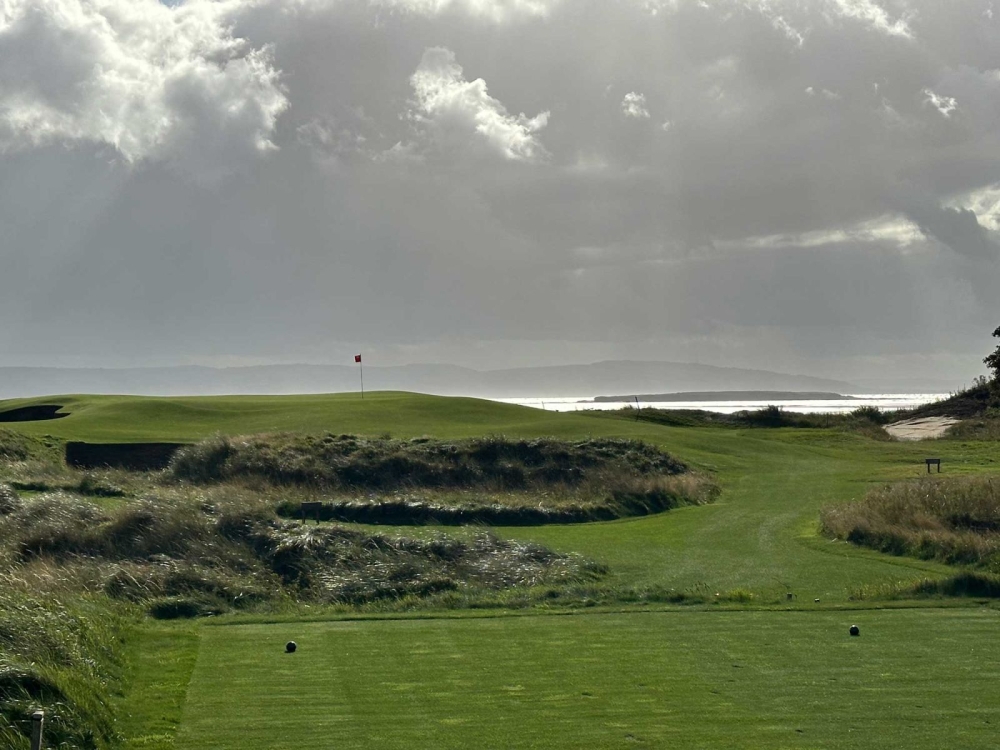
This is the art of links architecture. It is change so subtle you often notice it only when you look back and realise how far things have come. This happens to me when I show visitors around, and producing videos for the membership helps us record the shifting shape of the course over time.
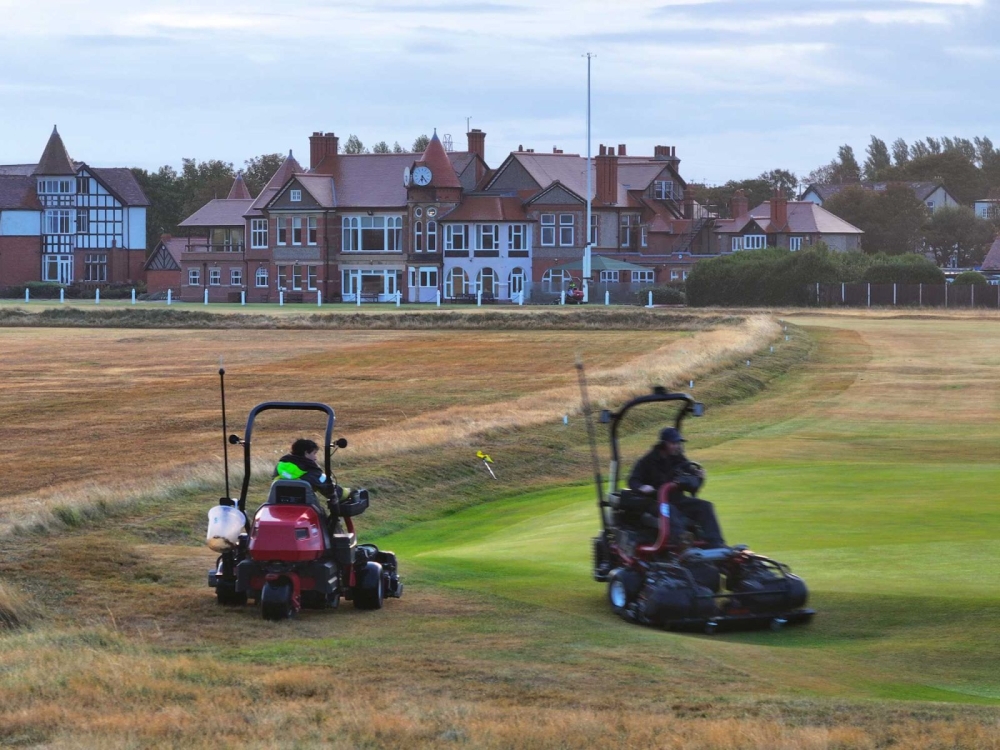
Perhaps the most dramatic developments of all are happening in greenkeeping. As expectations rise and staffing pressures increase, new technology is becoming an essential part of daily operations.
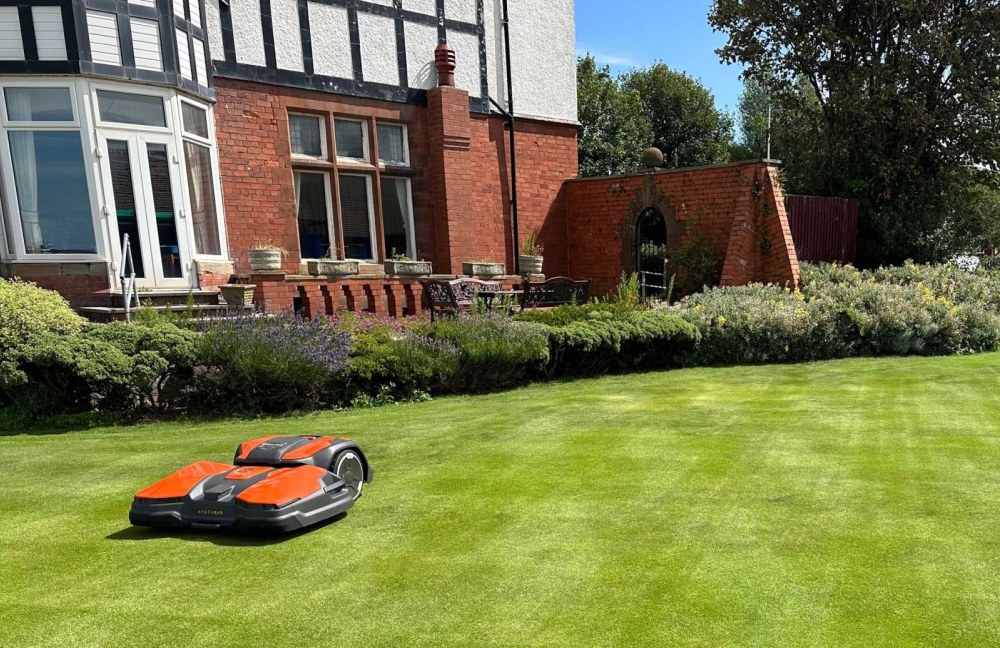
Robots are now a practical option for many clubs. Some, like Royal Birkdale and Hillside, have already deployed autonomous mowers across full fairways. At Hoylake our intention is to use them more strategically in areas such as the range, the turf nursery and the Little Eye Junior Course. This allows skilled greenstaff to focus their time and professionalism where it makes the greatest impact.
Drone technology is another major step forward. We can now identify moisture deficits, detect stress before the eye can see it, and link that information directly to the irrigation system for precision watering. In a data driven profession, these tools help us fine tune surfaces with accuracy that was unimaginable just a few years ago.
Yet, despite all this innovation, the fundamentals of greenkeeping remain unchanged. Feel, instinct, traditional techniques and the experienced eyes of the team still make the difference between good surfaces and great ones. Technology supports craftsmanship but does not replace it.
There has been notable change on the links since last year’s edition of this magazine. Over the winter, several enhancements were undertaken to make the 7th, 16th and 17th holes more playable while remaining true to the character of Royal Liverpool.
At the 7th, the left side bunker was removed and replaced with a swale. The beauty of a swale is the variety of recovery options it offers: a bump and run with a utility club, a tidy chip and run with a 7 iron, or, should you dare to emulate the elite, a lofted, soft landing pitch. It’s a shot many amateurs fear for its potential to be “dobbed” or thinned across the green.
On the 16th, the fairway has been subtly widened by shifting the bunkers further left, giving players more room to commit to their tee shot. The right side bunkers on the 17th have also been removed to encourage play up the safer right side and away from the oncoming flow of golfers on the 16th. This adjustment will be particularly impactful during The Open, when spectators crowd the left margins of both holes. The approach bunker on 17 has also been relocated to the left, rewarding those who find the fairway and adding a strategic penalty for shots pulled offline. All shaping and construction work was completed by the Royal Liverpool Greenstaff, allowing ample time for the new features to settle ahead of the Amateur Championship.
A course that plays summer firm twelve months of the year.
I have always embraced the culture of “marginal gains” and I try to instil that mindset within the team every day. Nowhere is this more evident than during the winter months, when countless small but meaningful improvements take place. Weekly tasks such as fine tuning irrigation, installing new sprinkler heads, softening unfair undulations, managing gorse and revetting bunkers quietly but steadily elevate the course. Alongside this, we continue to push surface standards through aeration and topdressing, and our largest project of the year, drainage. Contractors installed a 350mm main line drain running through the heart of the course from the 16th green to the 12th and out to sea. The initial aim is to dry the practice range, the corner of the 1st fairway and the greenside bunkers on 16, with the flexibility to add spur lines in the future.
My ultimate goal is simple: to leave this golf course fully dry all year round.
No more winter wet bunkers.
A course that plays summer firm twelve months of the year.
That, let’s be honest, is what true links golf is all about. n