MAGAZINE
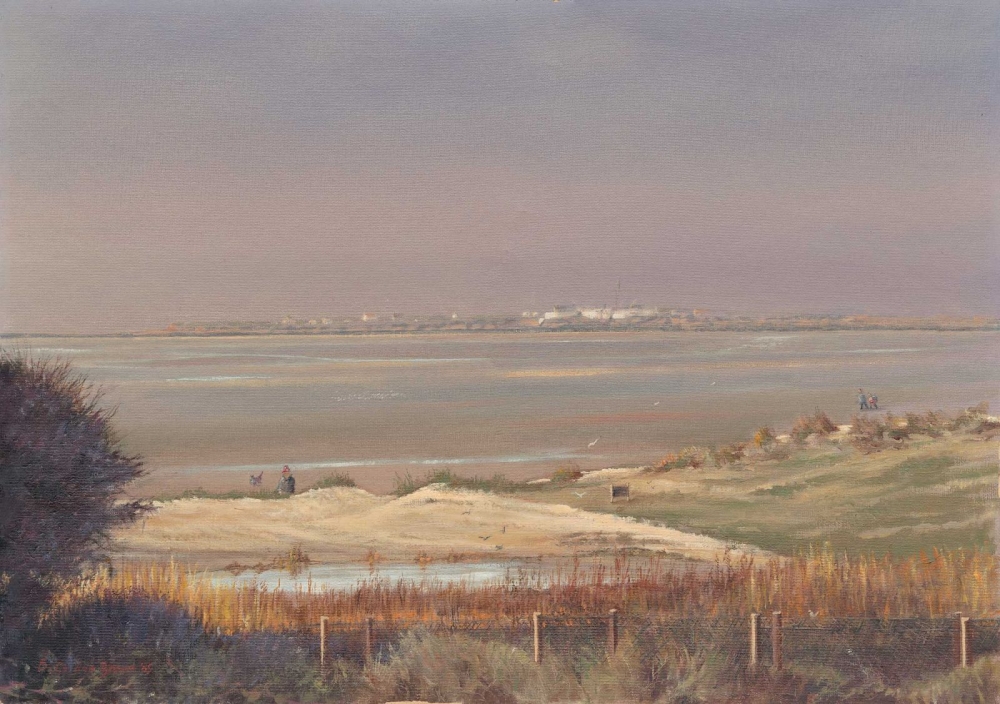
Why not enjoy the time by turning towards the Dee Estuary?
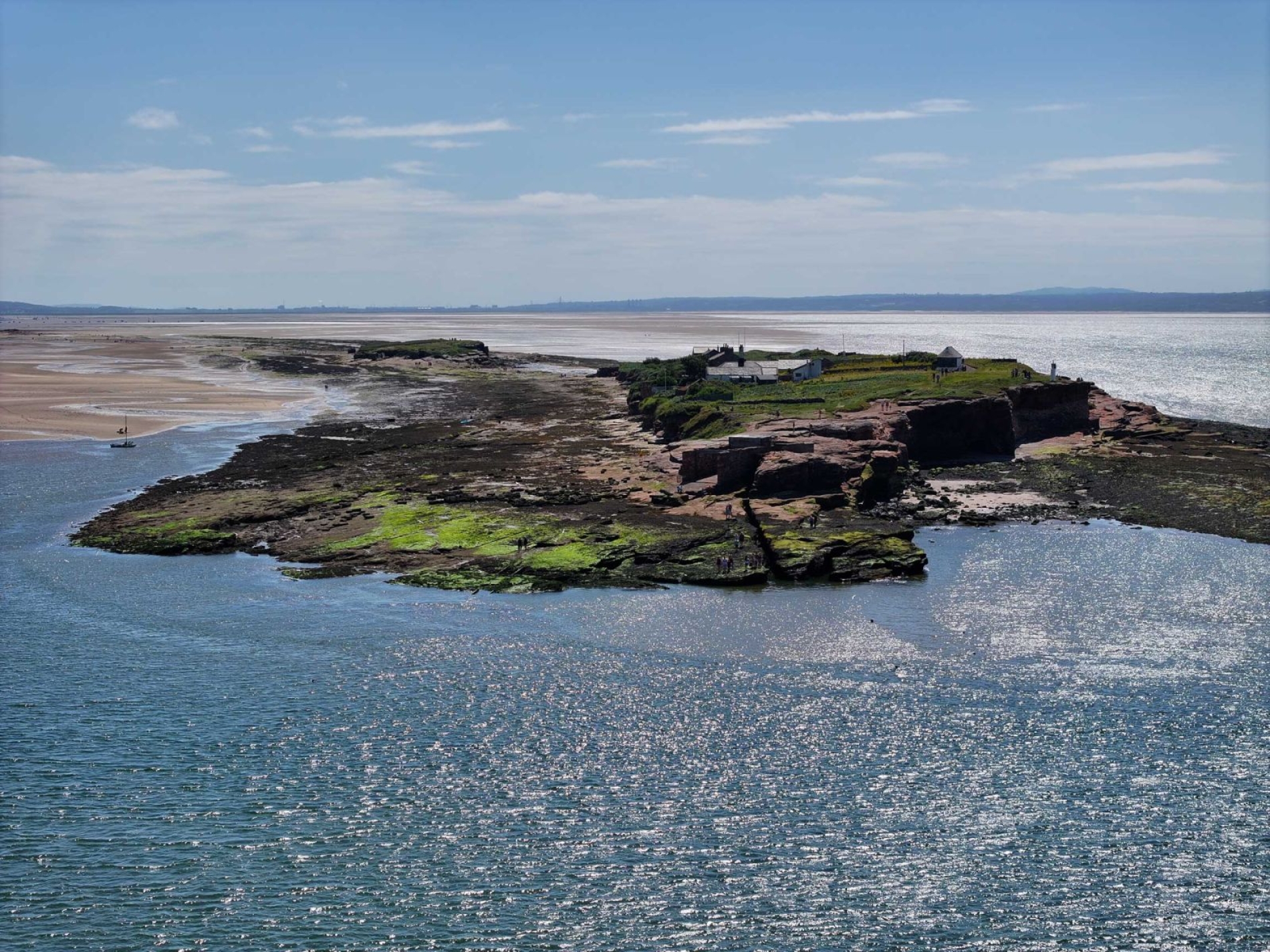
Right in front of you is an archipelago of three islands, the smallest of which, Little Eye, on the left, lent its name to Hoylake’s relatively new par three 15th awaiting your pleasure. The other two are Middle Eye - you can guess where that is - and the largest is Hilbre.
Twice a day, the tide pulls back and reveals something that always feels special - an expanse of compacted sand, glistening and patterned and flecked with seashells, stretches out from the coast of Wirral. This is not just any beach; it’s a portal to a place that exists in two worlds at once. There’s a timelessness balanced by a forest of off-shore wind turbines in the distance - I reckon their blades should have been painted bright yellow, like toy windmills planted by the children of giants.
The walk to Hilbre island begins at West Kirby on the Dee Lane slipway. You pass the Marine Lake, and then simply keep walking onto the watery sand. The Victorian promenade slips away, along with the 21st century, and suddenly you are an islander heading home, surrounded by sky and space. The crossing is dictated by the moon. Miss the window, and Hilbre becomes isolated for a few hours.
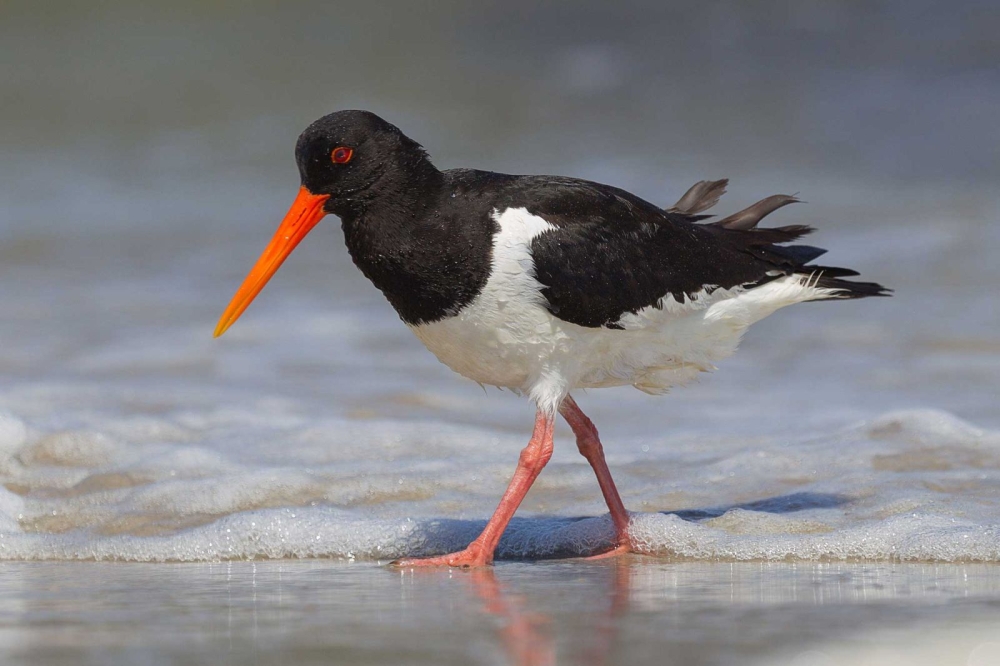
Oystercatchers patrol the tide line
Head for Little Eye, but keep to the left of it. When there, it’s a dog leg right to Middle Eye. You can walk around or over it to quickly reach Hilbre, where a lane on the west side takes you up and on to the island.
Geologically, the islands are the weathered remnants of the Bunter sandstone ridge that once connected Wirral to Wales. Eons of rising sea levels and erosion severed this link, leaving three weather-beaten outposts. Today, they form the only offshore islands in the county of Merseyside.
From Hilbre you can look over to the Welsh Hills and, beyond, the distant peaks of Snowdonia national park, a view that shifts from grey silhouette to violet splendour as the weather and light change. This juxtaposition - soft sandstone underfoot and hard Welsh mountains on the horizon - defines the island’s dramatic visual character and off-grid vibe.
Designated as a Local Nature Reserve and part of the Dee Estuary Site of Special Scientific Interest, Hilbre is something of a biological powerhouse. During migration seasons, the island functions as a motorway service station for birds. In spring and autumn, weary perchers like wheatears, redstarts and warblers drop out of the sky to refuel before attempting the Irish Sea crossing.
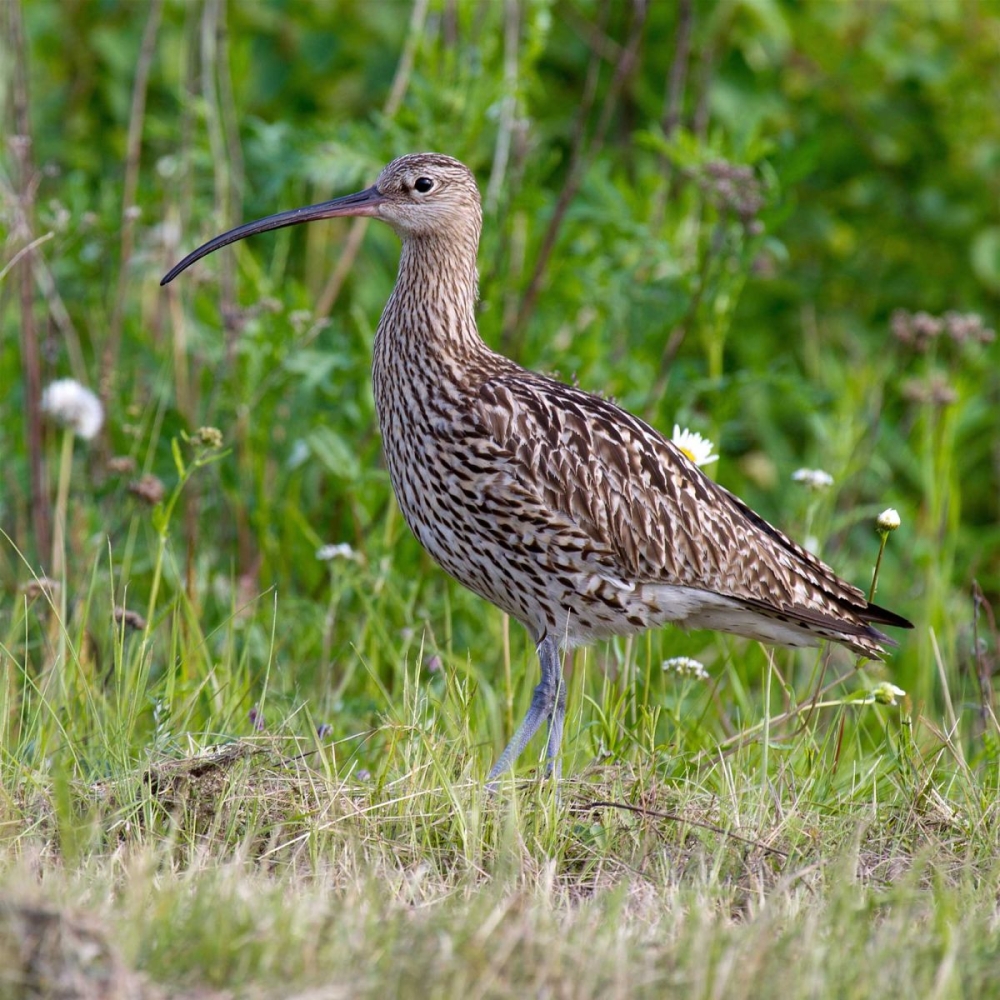
But Hilbre’s avian celebrities are the waders and wildfowl. At low tide, the exposed sandbanks host knot and dunlin sometimes seen in smoky murmurations. Oystercatchers patrol the tide line, their bright orange bills probing the water and sand. Other birds you can see are too numerous to mention here.
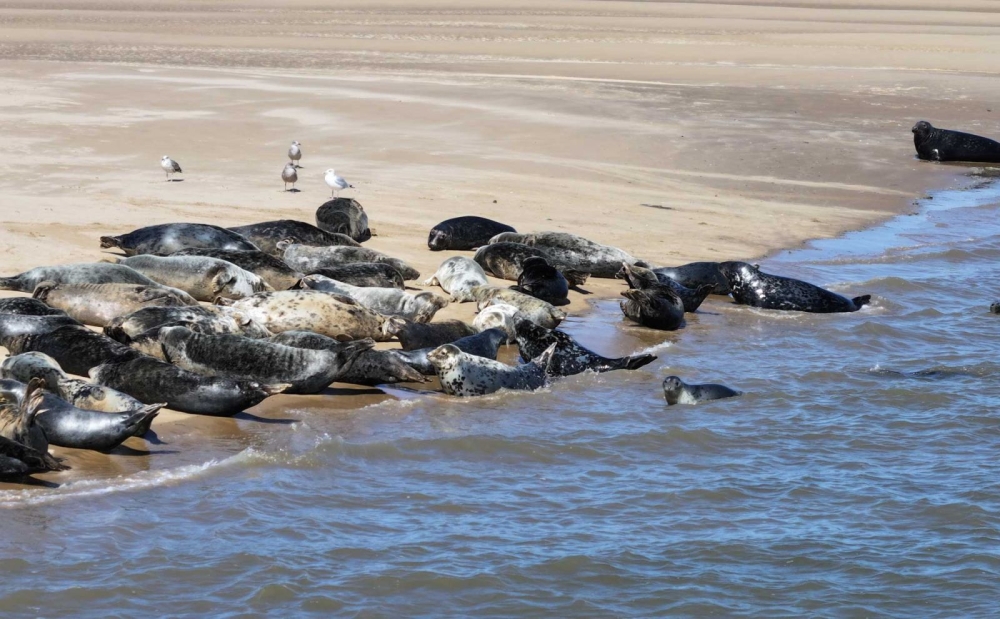
Grey seals are arguably Hilbre’s greatest zoological draw. It’s not unusual to see dozens of them hauled out on a sandbank, or individuals hunting close to the island’s shore, occasionally peering up at human visitors with a kind of ‘what are you looking at?’ expression on their faces. If you hear them calling from far off it’s easy to understand why some historians believe Mediterranean seals inspired the Greek myth of the Sirens, their songs luring sailors to destruction.
In the 10th century, Wirral became a successful Viking mini-state, Norse people having legged it from Ireland where they were no longer welcome. Meols, just up the road from Hoylake, became a thriving port, and it’s possible the name Hilbre was given in the form of an Anglo-Saxon dedication to St Hildeburgh fused with ‘eye’, the old Norse word for island.
It’s said Hildeburgh lived here as an anchorite, or religious recluse, in the 7th century. As late as 1540 Hilbre was home to a cell of monks, though this was a tough time for them. The dissolution of the monasteries was underway, but once it was all over a small number were permitted to stay because they maintained a beacon helping boats navigate.
To visit Hilbre means playing by its rules
Once the island boasted an inn, so up until the early 19th century you could, in theory, take a long walk across the sand and order a drink. Parts of this out of the way boozer remain. There was a customs house, too, long gone, but the slipway of the old lifeboat station is clearly visible. Constructed in the mid-19th century it saw service until the 1930s when the Hoylake station took delivery of a tractor to facilitate launching from there in any tide. The old semaphore telegraph station also remains, perched atop the island.
Children might be more interested in learning that around 200 million years ago, dinosaurs like the Pseuduchium Arcosaur roamed here when the climate was Saharan - their fossilised footprints have been found in Hilbre’s sandstone.
To visit Hilbre means playing by its rules. The walk is physically pretty easy but you need to check the tide times and plan your outing - times are easy to find on your phone. Don’t try shortening your journey by cutting across the sandbanks - the main channel is deep and the current not to be messed with. You’d be wise to wear appropriate footwear and bring along water, snacks, sun protection, and a bag for your rubbish.
Once there, take care - there are a few well signed precipitous cliff edges and some unstable areas. Dogs are permitted, but only on the basis they are kept on a short lead at all times. The ground-nesting oystercatchers and ringed plovers see a loose dog as a threat, and will abandon their eggs.
There is something very special about this walk and this island. They offer a sense of separation from the ills of contemporary life and genuine connection with the natural world.