
MAGAZINE
But lurking just behind the great man on countless Open leaderboards, and often standing above him on domestic podiums, was a quiet man from Surrey called Alfred Harry Padgham.
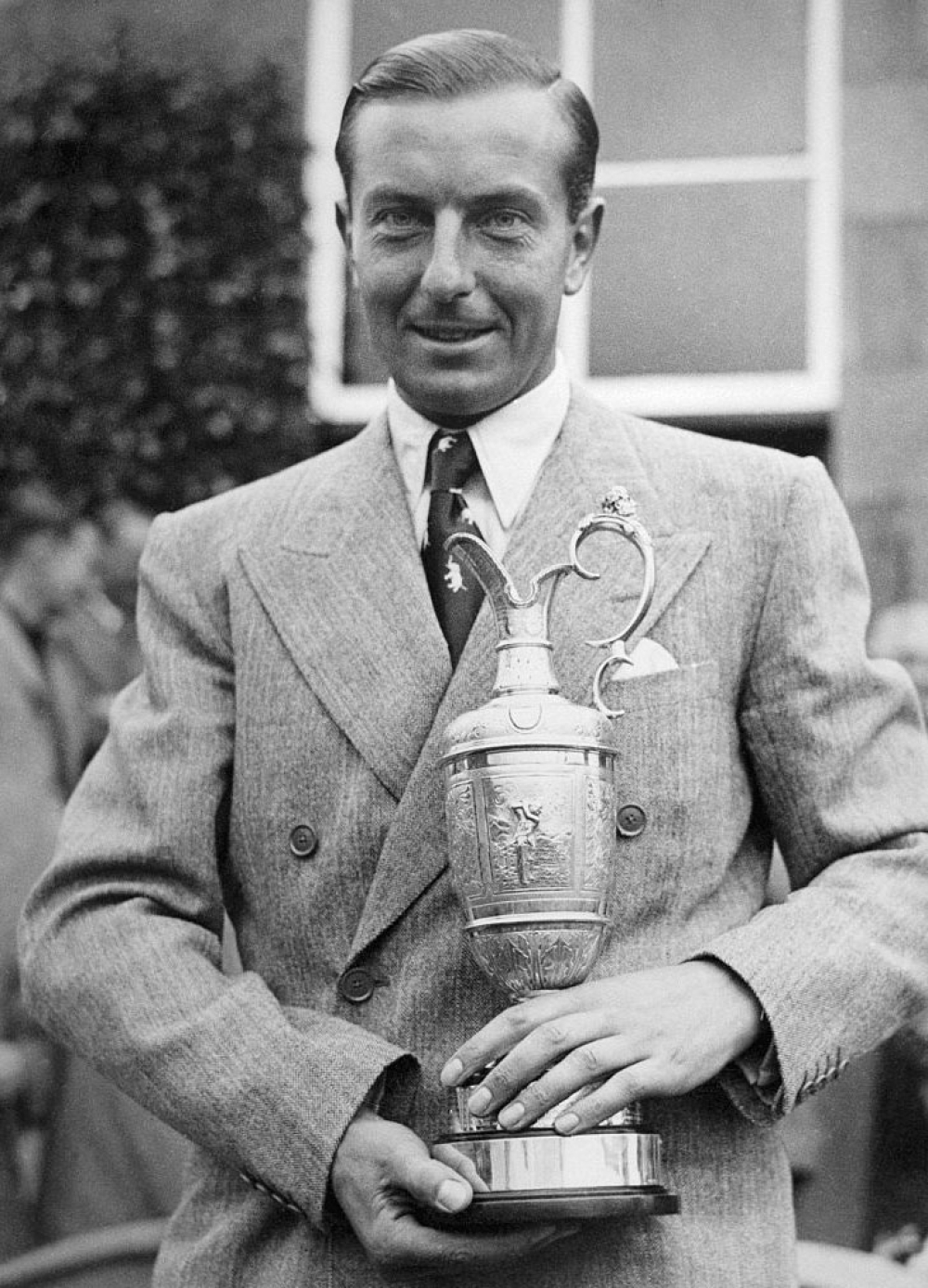
History has not been too kind to Alf. It often seems he is a mere footnote, a one-time major winner from the 1930s. And yet to those who saw him play, and the legends who mentored him, he was the possessor of perhaps the most flawless swing of his generation. His story is one of a slow-burn ascent to the game’s stratosphere, a career interrupted by war, and a legacy defined by both technical perfection and an enigmatic, shy personality.
Born in Caterham, Surrey, on 2 July 1906, Padgham’s golfing roots were nourished in Sussex. His family had close ties to the heathland of Royal Ashdown Forest Golf Club, where he served his apprenticeship under the club professional, Jack Rowe. It was here that the foundations were laid for a swing that would later draw the ultimate compliment. Moving to a role at Sundridge Park Golf Club in Kent in 1933, Padgham began to establish himself not only as a club maker and teacher, but also as a competitor of rare quality .
His first major splash on the tournament scene came in 1931, winning the prestigious News of the World Match Play at Royal Mid-Surrey. It was a sign of things to come. During the early 1930s, Padgham steadily accumulated titles, capturing the Irish Open in 1932 and the German Open in 1934, establishing himself as one of the most consistent performers on the European circuit .
What truly set Padgham apart, however, was his classy action. In a sport that venerates the swing of a Harry Vardon or a Sam Snead, Padgham’s was spoken of in the same reverent tones. Vardon himself, a man with a record six Claret Jugs on his mantelpiece, considered the Padgham swing and pronounced it ‘perfect’. From a short, three-quarter backswing, the clubhead flowed effortlessly into the ball, generating power that seemed disproportionate to the economical movement. Despite his tall, thin frame, he was one of the longest hitters of his day. It was a graceful paradox: a swing of classical restraint that produced explosive, modern distance.
Padgham was the antithesis of a sporting superstar
This ‘perfect’ swing was put to its ultimate test in the mid-1930s as Padgham began a relentless pursuit of the Open Championship. He was a model of consistency, finishing fourth in 1932, seventh in 1933, third behind Cotton at Sandwich in 1934, and crucially, the runner-up to Alf Perry at Muirfield in 1935. Each year, he climbed one step closer to the summit. It was surely only a matter of time.
That time came in 1936 at Royal Liverpool. The course had been stretched to a mammoth 7,078 yards, the longest in Open history at that point, a distance that played perfectly into the hands of the game’s longest hitters. Alf methodically plotted his way around the course, shooting rounds of 73 and 72 on Thursday and Friday, leaving him tied third alongside Henry Cotton and others, and just one shot off the lead held by Jimmy Adams and Scot Bill Cox.
The 36 hole Saturday, however, began with a moment of high farce that has become part of Open lore. Faced with an early tee time, Padgham arrived at Hoylake to find the professional’s shop, where his clubs were locked up for the night, still firmly secured. Alf simply broke a pane of glass, let himself in, and retrieved his cherished implements.
Alf went out and recorded 71, placing him tied third alongside Tom Green, with both players a shot behind Henry Cotton and Scot Jimmy Adams.
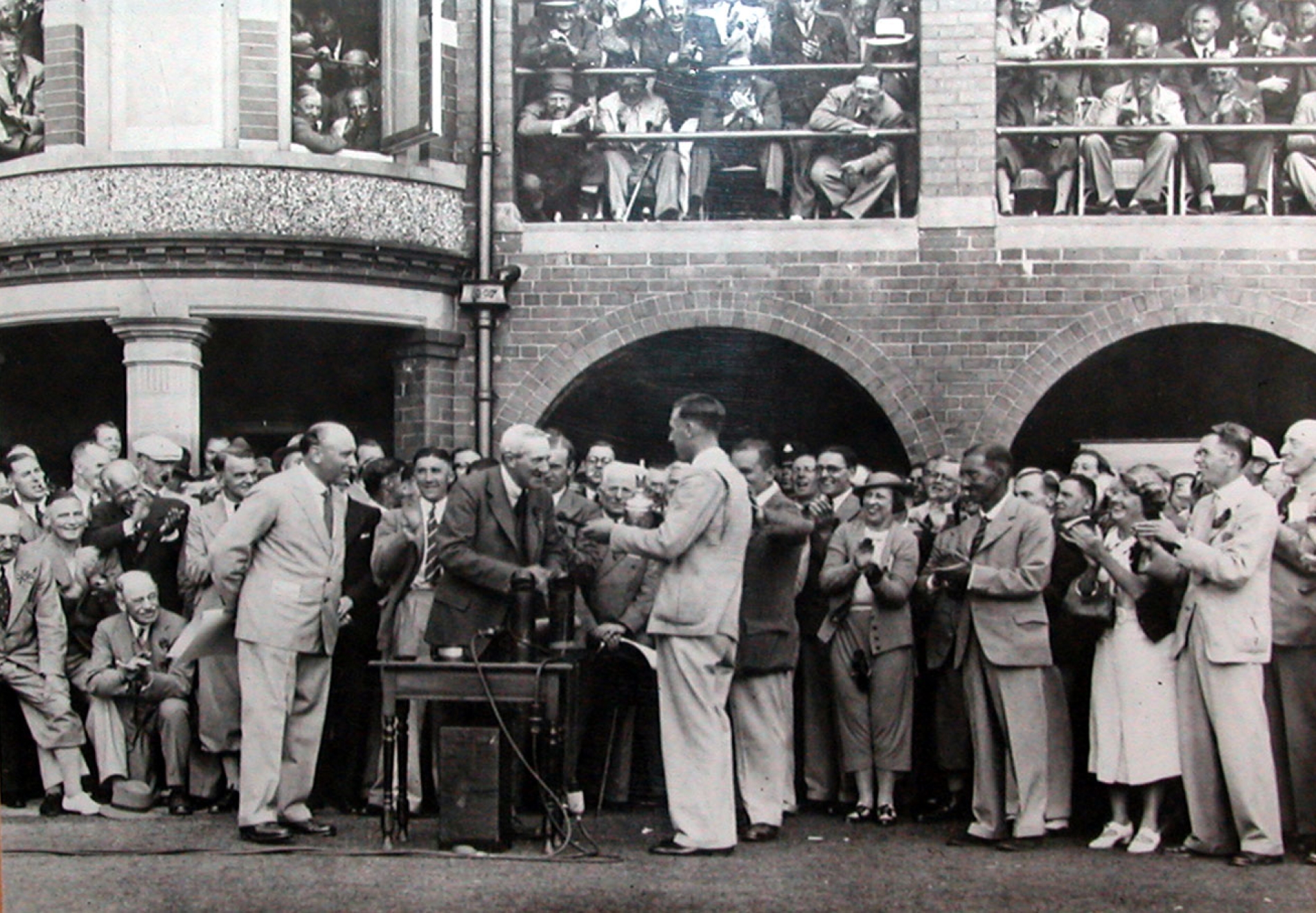
In the afternoon final round, Cotton faltered and Padgham tied Adams for the lead at the turn. Alf made a four on the 17th, then holed a 15-footer for a three at the 18th to post a 287 total. Adams stood on the 17th knowing he had to play the last two holes in eight strokes to tie Padgham. His approach shot found a greenside bunker, and he failed to get up and down. Adams now needed a three on the 18th to tie. He hit his second to 12 feet, but the putt lipped out. Cotton and Green were still on the course, but neither could mount a charge, making Padgham the Champion Golfer of the Year.
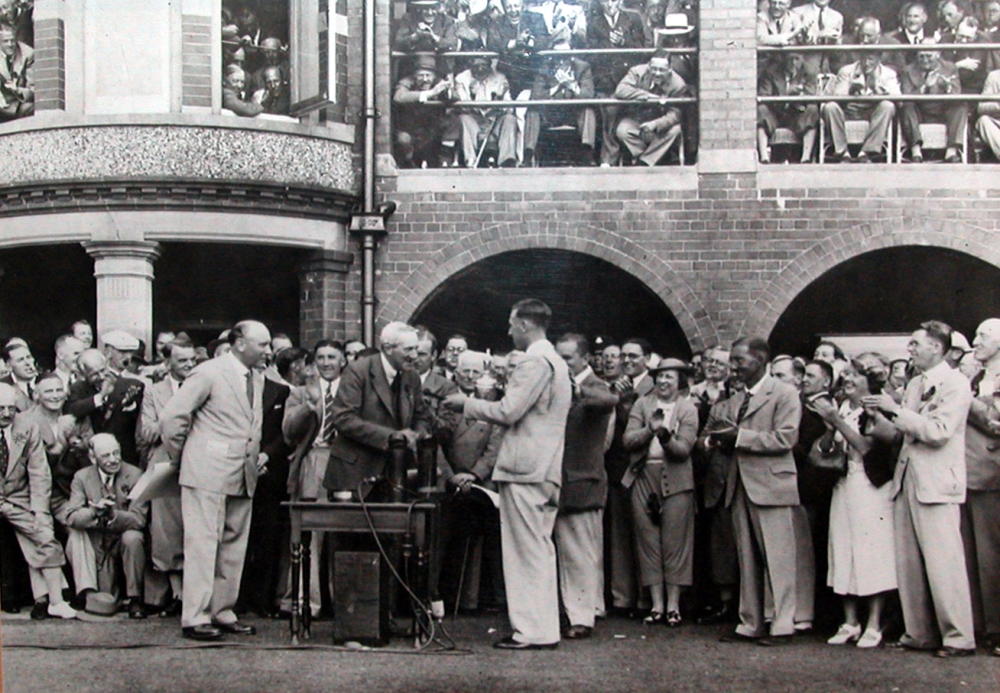
Professional golf was very different then. The next day, Alf played an exhibition match at Great Harwood Golf Club in Lancashire. He took his Open trophy with him and shot 64. The photo of him cradling it has a special place in the Harwood clubhouse.
The Hoylake victory was the jewel in the crown of a staggering period of dominance. Between the autumn of 1935 and the summer of 1936, Padgham was virtually unbeatable. He won five times in that span, including a second News of the World Match Play title. He was, for a short but stellar while, the most prolific winner in the game.
Yet, for all his individual brilliance, the Ryder Cup was an unsolvable problem. Padgham represented Great Britain in 1933, ‘35, and ‘37. Despite his News of the World successes - a testament to his skill in the format - he lost every one of his six Ryder Cup matches. It remains a baffling statistical anomaly for a player of his calibre.
The outbreak of World War Two in 1939 robbed Padgham, like so many of his contemporaries, of his peak years. When competitive golf resumed, the man who had bested the best was now in his forties. He had joined the Special Police during the war and continued to serve his club at Sundridge Park, but come peace time the relentless winning machine of the 1930s had lost power. He did chalk up further victories in the Daily Mail Tournament in 1946 and the Silver King in 1947, proving that the class remained, but the days of dominating the landscape were over.
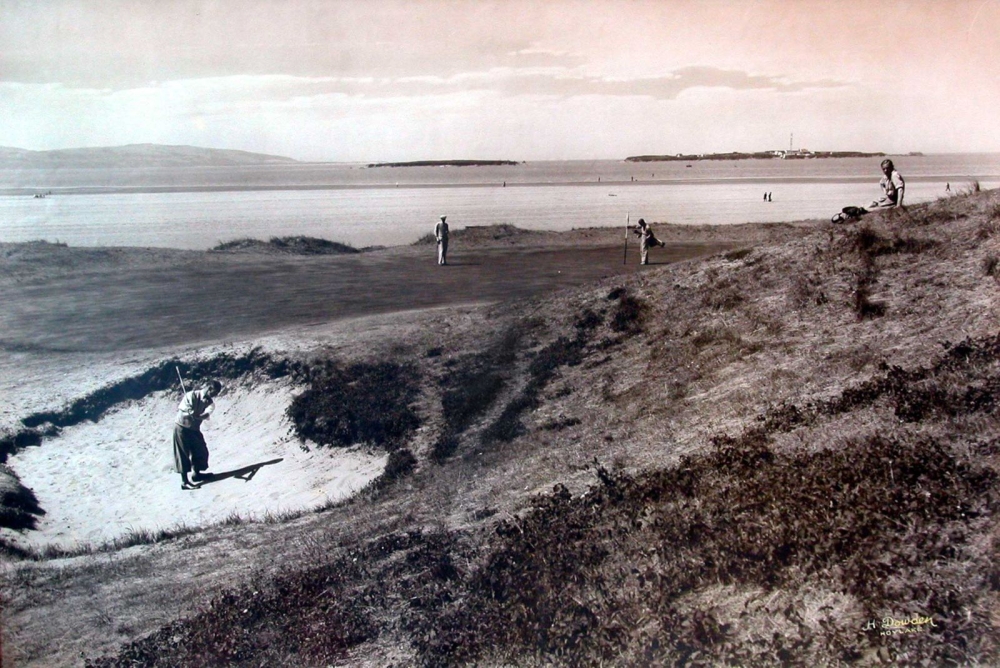
Off the course, Padgham was the antithesis of a sporting superstar. He was shy, quiet, and notoriously reserved, a man who seemed to prefer the shadows to the spotlight. He was usually dressed in dark clothes, often wore a raincoat, and his sense of humour was reserved for a very tight circle of friends. His putting stance was described as ‘ungainly’. He stood tall with his hands held well away from his body, but it was effective, particularly on that triumphant day at Hoylake. The contrast between the hard-hitting perfection of his long game and an awkward effectiveness on the greens only added to his mystique.
Padgham was the antithesis of a sporting superstar
Alf Padgham retired from Sundridge Park in 1965 due to failing health, a period made all the more difficult by the death of his eldest son. Alf passed away at his home in West Wickham on March 4th 1966, at the age of just 59
Today, Alf Padgham is remembered as much for what he was as for what he did. He was the owner of a swing so pure it earned the praise of the greatest player of the previous generation.
He was a man who won his Open Championship with the kind of quiet, unflustered determination that defined his life, on a day that began with him breaking into a locked shop - and ended with him holding the Claret Jug.